
Free shipping on orders over $75!
Free shipping on orders over $75!
Free shipping on orders over $75!
Free shipping on orders over $75!
Free shipping on orders over $75!
Free shipping on orders over $75!
Free shipping on orders over $75!
Free shipping on orders over $75!
Free shipping on orders over $75!
Free shipping on orders over $75!

Plastic Food Storage Containers: The Hidden Risks and Sustainable Alternatives
Written by: Smash Products | Date: 7/30/25
Plastic food storage containers are everywhere in Aussie kitchens, but they carry hidden costs — chemical concerns under heat, plus a short, wasteful lifespan of staining, warping and cracking. The simplest fix is switching to reusable, plastic free alternatives like ceramic-lined stainless steel, which last for years and keep questionable chemicals away from your food.
Here's a look at the real problems with plastic tubs, and the smarter materials replacing them.
At a glance: plastic vs. plastic free storage
- Chemical concern — Even "BPA-free" plastic can leach when heated, scratched or aged.
- Short lifespan — Plastic stains, warps and cracks, so it's replaced often.
- Waste — One stainless container can replace dozens of disposable wraps and tubs.
- Better materials — Ceramic-lined stainless steel and silicone are durable, non-toxic and reusable for years.
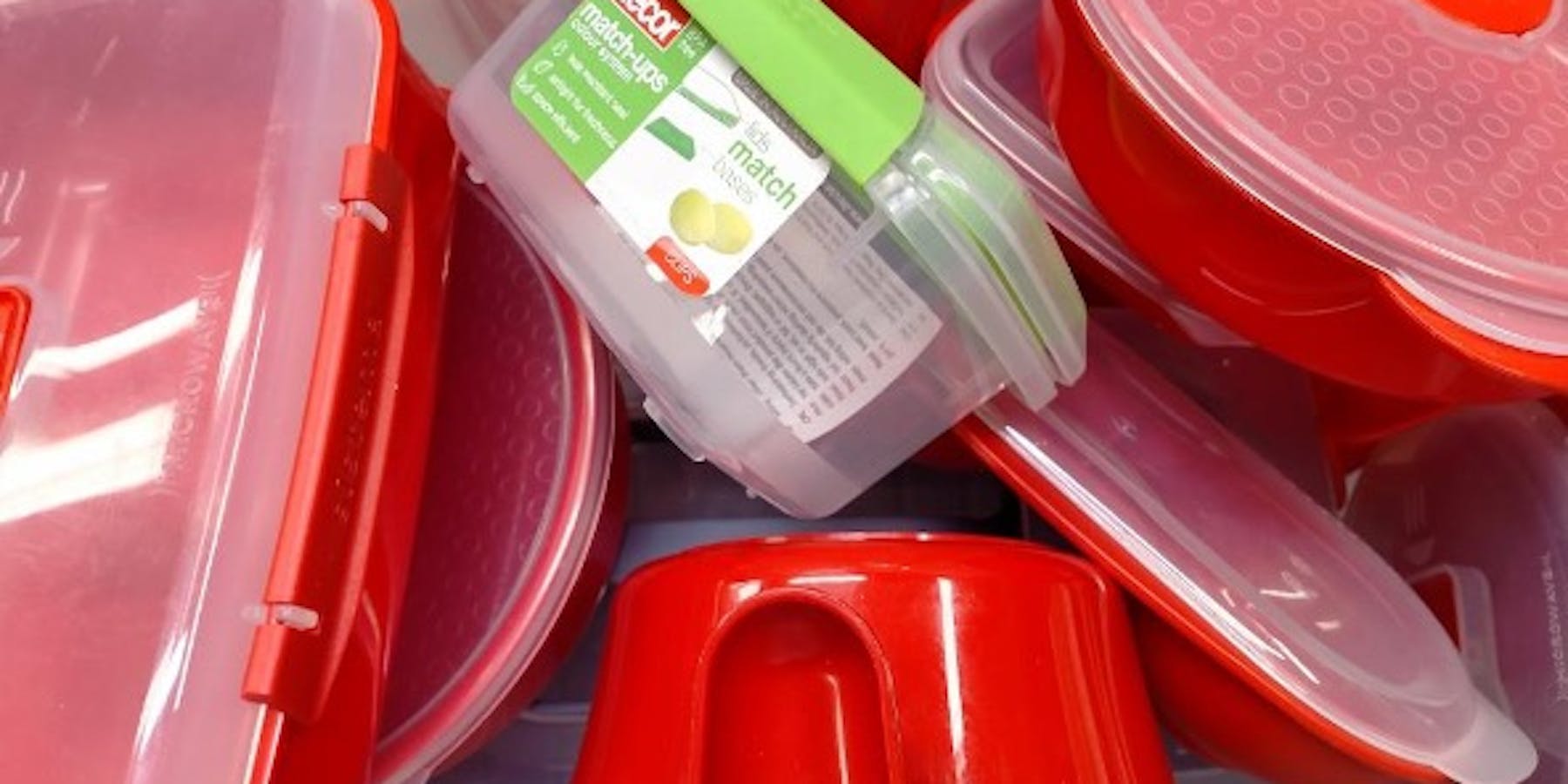
What's the problem with plastic containers?
Even plastics labelled “BPA-free” aren't always as safe as they sound. When exposed to heat — like microwaving leftovers — some can leach chemicals into food. On top of that, plastic tends to:
- Stain easily
- Absorb odours
- Warp or crack in the dishwasher
These flaws aren't just annoying — they often signal a container is near the end of its usable life, which means more replacements and more waste.

Smarter, safer alternatives
The shift to stainless steel and silicone food storage reflects a growing preference for materials that are durable, non-toxic and genuinely reusable. Ceramic-lined stainless steel, in particular, resists stains and odours, won't leach into food and easily outlasts plastic.
Brands like Smash have evolved their ranges over 25 years — building on early plastic-reduction initiatives — to deliver complete plastic free systems. To understand why steel performs so well, see the top reasons to switch to microwave-safe stainless steel.
Beyond the lunch box
Plastic free containers aren't just for lunch. They're ideal for pantry organisation, meal prepping and fridge storage — anywhere you'd normally reach for a plastic tub or cling wrap. A matched set keeps a fridge tidy and food fresher for longer. If you're packing meals to go, our guide to choosing a plastic free lunch box is a good next read.
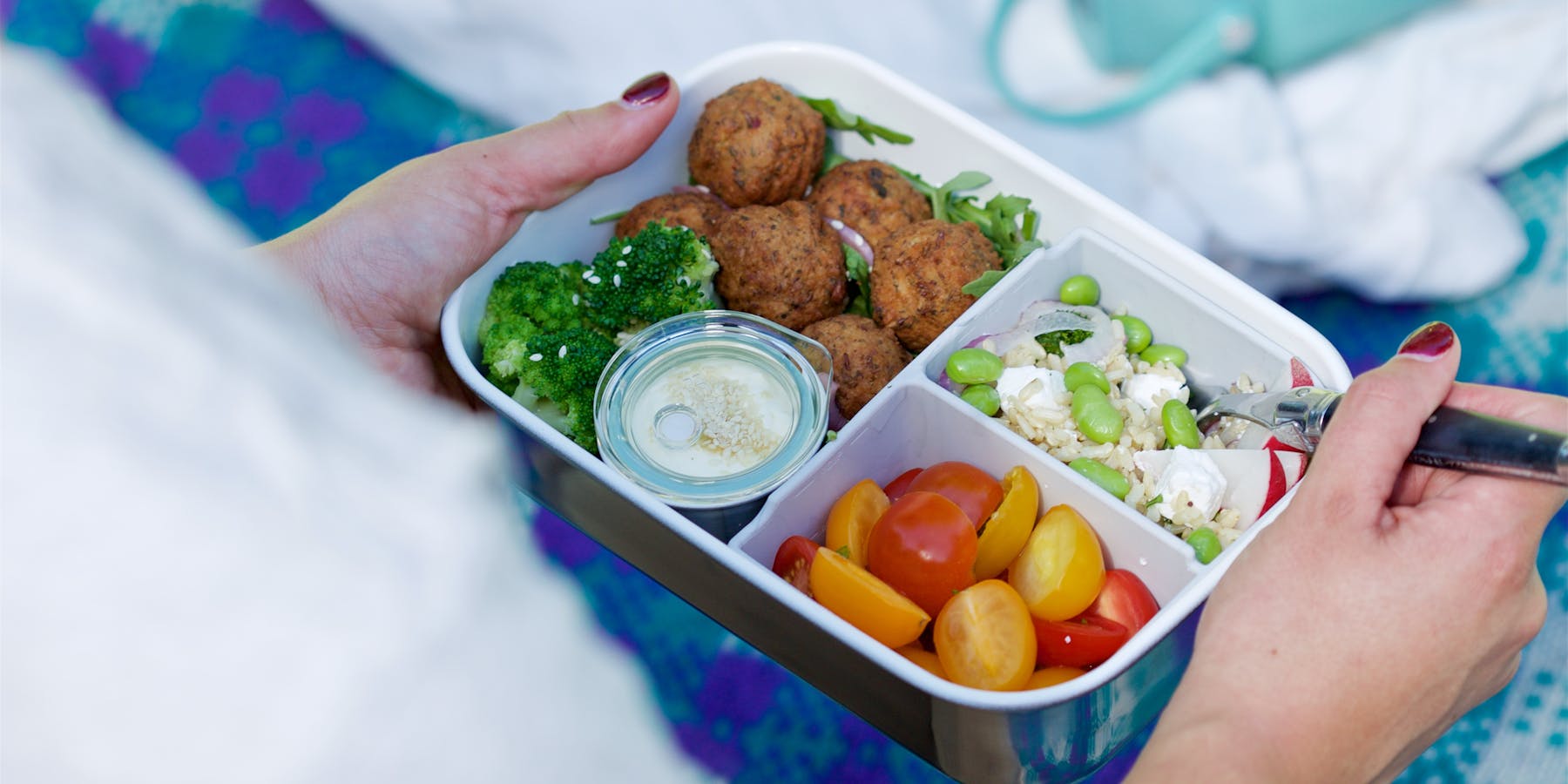
Why stainless steel wins
A single stainless steel container can replace dozens of plastic wraps, bags and tubs over its lifespan. The benefits stack up:
- Longevity and durability
- Lightweight portability
- Reduced plastic exposure for your food
- A smaller environmental footprint
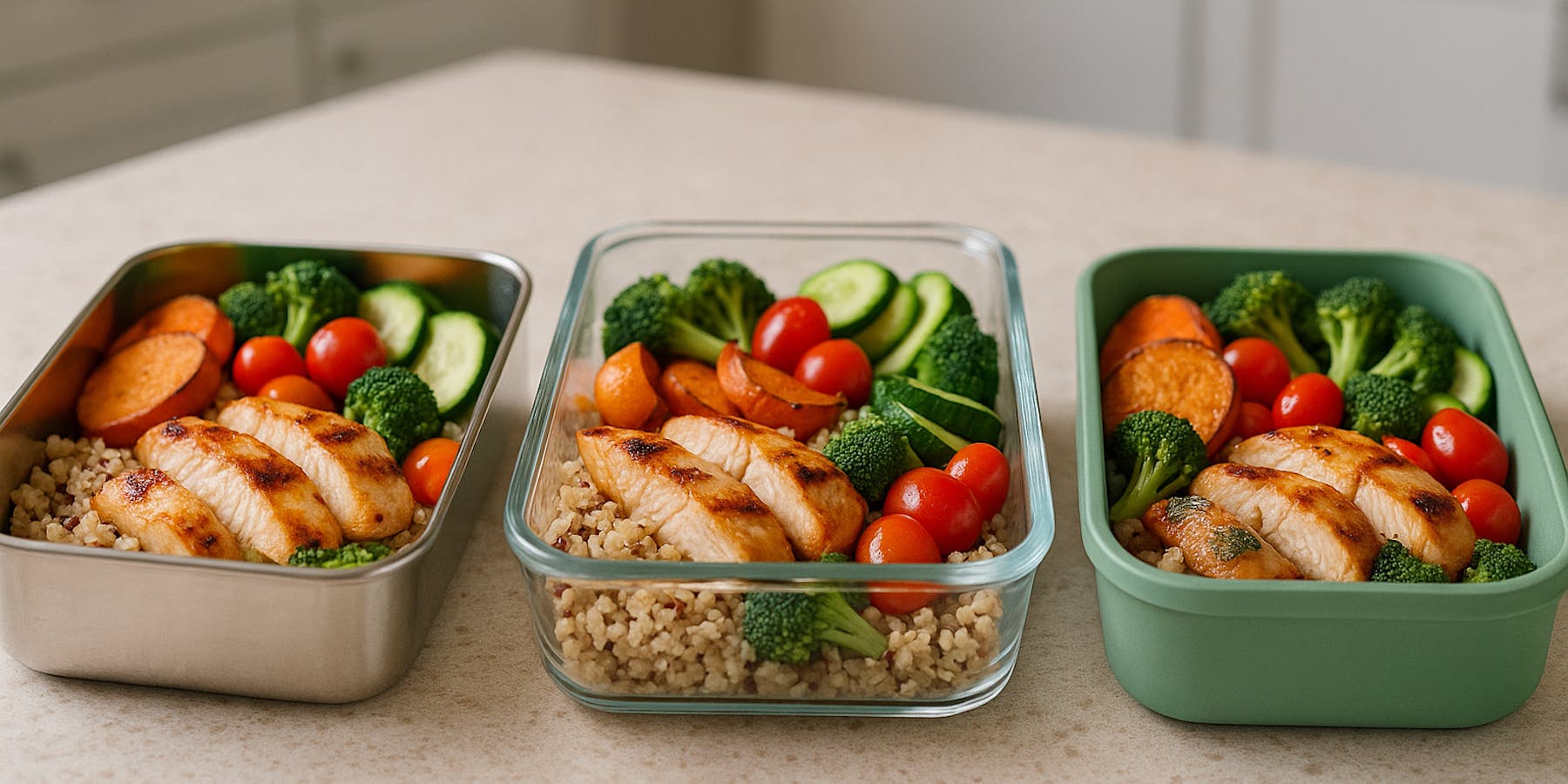
Final word: a simple switch with big impact
Choosing sustainable food storage isn't about a complete overhaul — it's about small, thoughtful swaps. Replace worn plastic tubs as they wear out with ceramic-lined stainless steel, and you'll cut waste, protect your food and buy less over time. Explore Smash's plastic free food storage range to start the switch.


Frequently asked questions
Are plastic food storage containers safe?
Plastic containers are generally safe at room temperature but become riskier with heat and age. Microwaving, hot washing or using scratched, old plastic can cause chemicals to leach into food. Ceramic-lined stainless steel avoids this entirely because food never touches plastic.
Is BPA-free plastic safe for food storage?
BPA-free means no bisphenol A, but some substitute chemicals are simply less studied, not proven safer. When heated or worn, these plastics can still leach. Many households now prefer non-toxic materials like ceramic-lined stainless steel for storing and reheating food.
What is the most sustainable food storage container?
Ceramic-lined stainless steel is one of the most sustainable choices. It's built to last years, so a single container replaces dozens of disposable wraps and tubs. It's also fully reusable, non-toxic and recyclable at end of life, giving it a far smaller footprint than plastic.
Can stainless steel food containers go in the microwave and freezer?
Purpose-built ones can. Smash's ceramic-lined stainless steel range is designed to be microwave-safe and freezer-friendly, so you can store, freeze and reheat in the same container. Standard bare stainless steel should not be microwaved — always check it's labelled microwave-safe.